If you’ve ever watched a track race at the Olympics or World Athletics Championships, you’ll notice that those athletes that qualify for the final in the quickest time get drawn in the middle lanes. Conversely, those with slower times are posted in the outside lanes.
Why is this? There is empirical evidence that suggests that the middle lanes allow for the smoothest run, with those on the inside starting further back and those on the outside having to command a wider bend. Therefore, the best-performing qualifiers are handed an advantage.
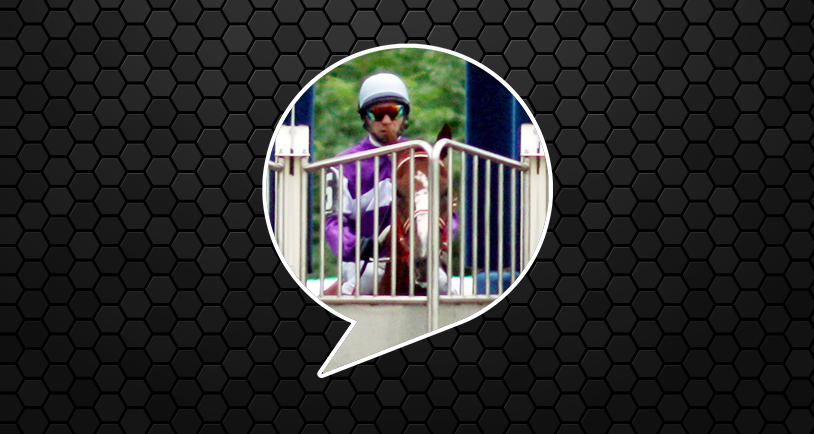
There is a similar notion in some horse races, where the entrants start from the stalls. At certain racecourses, this can lead to an advantage – for example, some horses will have to travel less of a distance to get to the rail on the first bend, which can present a considerable edge (particularly over shorter trips).
This is your guide to draw bias in horse racing: what it is, how it works and why knowing the draw could lead to more insightful horse racing bets being placed.
What Is Draw Bias?
At some racecourses, the starting stalls are used to create a sense of order before a race gets underway – where they aren’t deployed, the start can be chaotic and sometimes disadvantage those horses and jockeys that aren’t able to push through to the front of the pack.
The stalls eliminate that, ensuring a level playing field, but can still unwittingly create an advantage for some and a handicap for others via draw bias.
Horses are drawn ‘low’ (i.e. in a low-numbered stall), ‘high’ (a higher number) or somewhere in the middle. And this draw, at certain racecourses, can have a huge bearing on the opening furlongs of a race and, in some cases, dictate the entire duration of the contest.
When you begin to understand draw bias, there’s a temptation to bet bigger in a bid to take advantage. But there are no guarantees of a win when it comes to betting, so you should always gamble responsibly – more information is available at our Safer Gambling Portal.

Which Racecourses Have a Draw Bias?
There are a few reasons why a draw bias may unfold: it could be that a certain set of stalls provides an easier route into a tight bend, or the ground may be fresher for the outside stalls than those packed into the middle of the field.
Beverly Racecourse is an example of the former. This is a notoriously tight, right-handed track with a significant turn early on, so those drawn low can take the bend comfortably – those on the outside, therefore, have to travel further to take the turn and do so at a wider angle. They essentially have to run a longer race than those with the inside draw.
There are similar characteristics at the likes of Chester and Catterick, where those taking the wider line have to cover more ground than those on the inside rail. But the easier line isn’t always exclusive to low-drawn horses – at Thirsk and on Lingfield’s turf track, the higher numbers often enjoy the benefit of the running rail line.
Is There a Draw Bias at Royal Ascot?
One of the interesting elements of racing at Royal Ascot is that the draw bias depends upon which of the tracks the race is contested on.
The shaped-track seems to hold no draw bias according to the stats, but shorter races held on the straight track can see an advantage. In smaller field races, typically only the middle stalls are used – that can lead to the ground getting eaten up, particularly when the going is soft or heavy.
Of course, on the flip side of that, the ground tends to become heavier by the inside rail throughout a racecard, given that this is generally the best racing line that all jockeys want. So, in a quirk of fate, sometimes running wider on softer ground in later races can pay dividends.
Therefore, in larger field races on the same track, those in the outside stalls can enjoy the edge of being on the fresher ground – rather than getting bogged down in the middle on chewed-up turf.
How Is the Race Draw Decided?
It’s worth noting that it’s typically only Flat races for which starting stalls are used, so you won’t always see them in action.
The draw for a race takes place on the day that the declarations are confirmed, with independent officials from Weatherbys drawing the numbers at random – the favourite will not be given a plum draw, for instance, so the betting market can fluctuate after the draw is made if enough punters think that there’s something of consequence to it.
Remember, the horse’s draw number will reflect which stall they start from, with any bias unique to each individual track – sometimes the low-numbered stalls may have an edge, other times it’s the high numbers.
By studying draw bias, you can enjoy a new level of insight to inform your bets. You can put that to the test right here at talkSPORT BET, where we deliver odds for race meetings in the UK, Ireland and overseas. Sign up for your new customer account today and take advantage of our welcome package that’s available via our offers page.
18+ | Opt in | T&Cs apply | begambleaware.org | Please gamble responsibly